



Why interest in sustainable, small-batch accessories is rising (and why it matters now)
19. Jun 2026
The way we view, value, and consume products is changing. Looking further than trends and price, consumers are increasingly thinking about how products are made, where products are made, who makes them, and how long they are designed. Particularly evident within the fashion industry, recent research shows that consumers are willing to pay more and opt for sustainably made fashion goods, highlighting the ongoing shift towards quality, ethical, and artisanal craftsmanship.
A study published in the 2025 November Scientific Reports found that consumers show significantly higher purchase intention and willingness to pay for sustainably produced fashion items when the environmental and social values associated with the product are clearly communicated. The study focused on an everyday fashion accessory: a small leather bag, with researchers looking at how the same handbag was perceived when produced under different manufacturing conditions, including virgin leather, re-used leather or leather scraps, and recycled leather in a closed-loop process.
Data from the study aligns with data from PriceWaterhouseCoopers ‘Voice of the Consumer’ 2024 survey. Conducted across more than 30 countries, the study found that consumers are willing to pay an average of 9.7% more for sustainably produced or sourced goods, despite ongoing cost-of-living pressures such as inflation. Sustainability, once seen as an optional practice for many fashion brands, is now being directly linked to a product’s perceived value.
What sustainable, slow-fashion production means today
Previously linked to material choice, sustainable craftsmanship extends far beyond this scope today. Including social, environmental, and economic aspects, this includes ethical labor practices, material sourcing, and responsible production methods, next to a design philosophy that focuses on the product’s durability and longevity rather than volume. Research consistently shows that transparency on these practices matters. According to a consumer survey from Fashion Revolution, nearly seven in ten European consumers want to know how their clothes and accessories are made, signaling a clear demand for traceability and accountability.
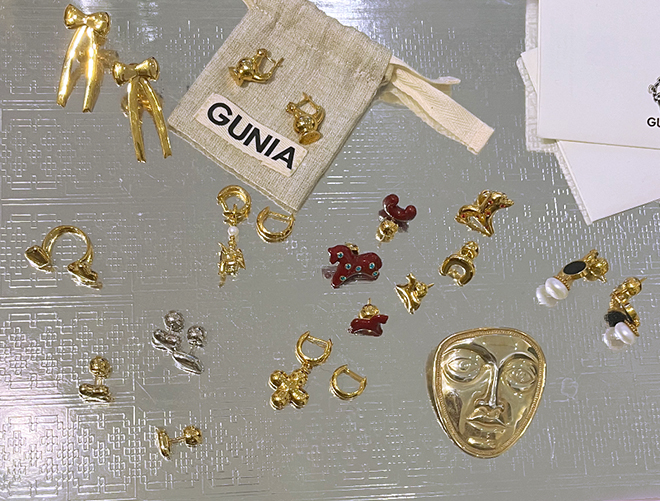
At the same time, environmental awareness continues to drive consumer behavioral change as well. A 2024 study published in the Scientific Reports journal found that increased environmental concern significantly strengthens consumers’ willingness to adopt sustainable fashion alternatives, reinforcing the connection between personal values and long-term purchasing habits. For many consumers today, sustainability is becoming a practical lens that they use to evaluate their fashion purchasing decisions.
Why this change is gaining traction now
Broader economy and market dynamics are reinforcing this growing values-driven mindset. These shifts in consumer perception and behavior are coming together and accelerating interest and demand in artisanal and small-batch accessories. For example, data shows that consumers are thinking more about a product’s overall lifespan and resale value. Online secondhand marketplace ThredUp’s ‘2025 Resale Report’ found that the secondhand apparel market is undergoing rapid growth, as consumers are opting to invest in quality, well-made fashion items that retain their value over time in lieu of poorly made items that follow short-lived trends.
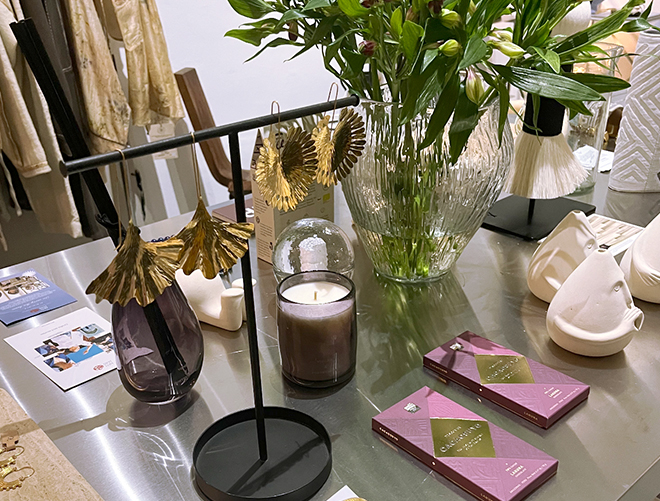
Online shopping behavior reflects similar consumer patterns. Research on sustainable e-commerce shows that a substantial share of online consumers are willing to pay more for responsibly produced products, provided that quality, authenticity, and production standards are clearly communicated. A study by IESE Business School in Spain found that around 45% of online shoppers are prepared to pay a premium for sustainable products when they trust the brand’s values and perceive the product as well-made. The study findings further underline the growing relevance and importance of curated online marketplaces, as transparency and quality assurance help turn sustainability commitments into tangible purchasing decisions.
How La-OL Market aligns with this framework
Against this backdrop, La Ol Markt’s unique positioning sits in direct response to the expectations shaping contemporary consumer behavior. As an independent online marketplace for fashion accessories, La-Ol is positioned at the cross-section of craftsmanship, sustainability, and authenticity. By curating designers who prioritize quality materials, responsible production, and distinctive design, La-Ol offers a structured and trustworthy environment in which these values are clearly communicated and consistently upheld.
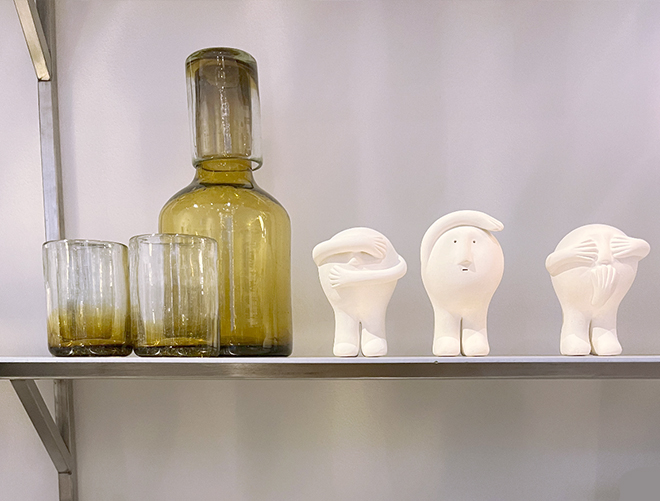
Rather than promoting excess consumption or chasing endless trend cycles, the platform showcases artisanal accessories designed to withstand the changing seasons, both aesthetically and functionally. In doing so, La-Ol reflects a broader movement toward considered consumption, where each purchase supports responsible production, creative individuality, and sustainable living.