




The Price of Conscious Design What You’re
19. Jun 2026
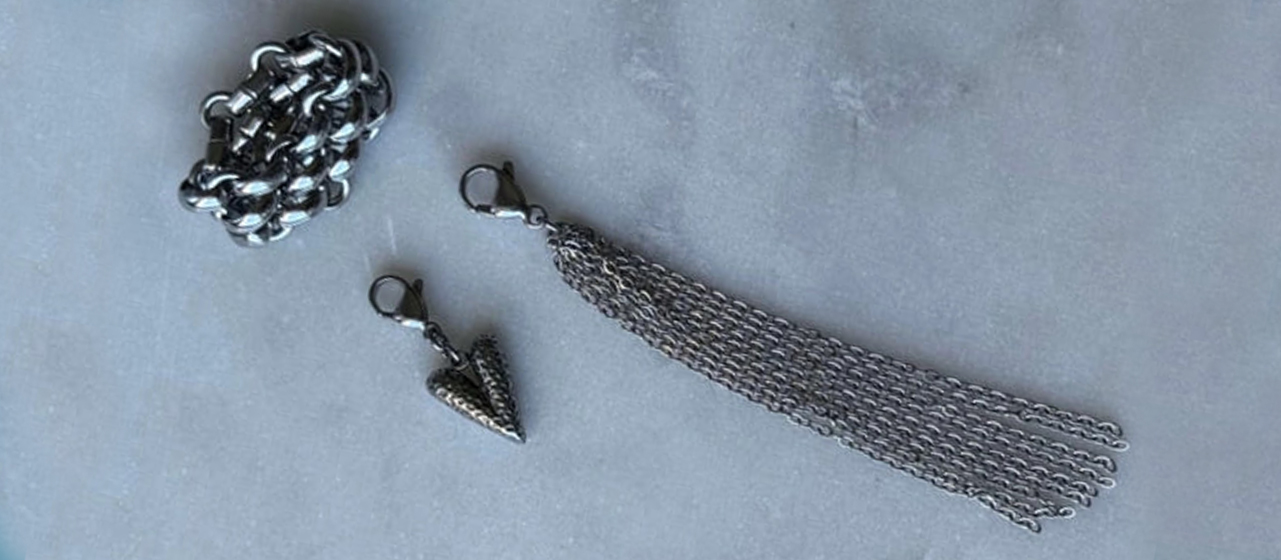
For many consumers, understanding why certain products cost a X amount can be rather tricky. When shopping for fashion accessories, for example, you might enter a store and find a silver necklace you like. You look at the price tag, and may ask, “Why is this €70, when I can get something similar elsewhere for half that price, or less?” When shopping for sustainable accessories, the price often appears to be higher than that of their conventional counterparts. However, the price tag of an item tells a story that goes much further than a retail markup, especially for independently, consciously made products. The final retail price of that necklace reflects a nuanced system formed by several factors, including material selection, manufacturing processes, labour, supply chains, and the economic frameworks behind them.
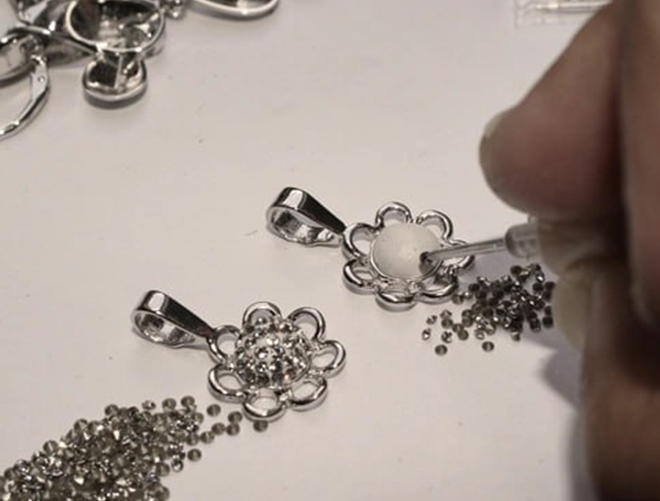
Here, we take a closer look at the true price behind consciously designed fashion accessories and what you are actually paying for.
Material selection & manufacturing processes
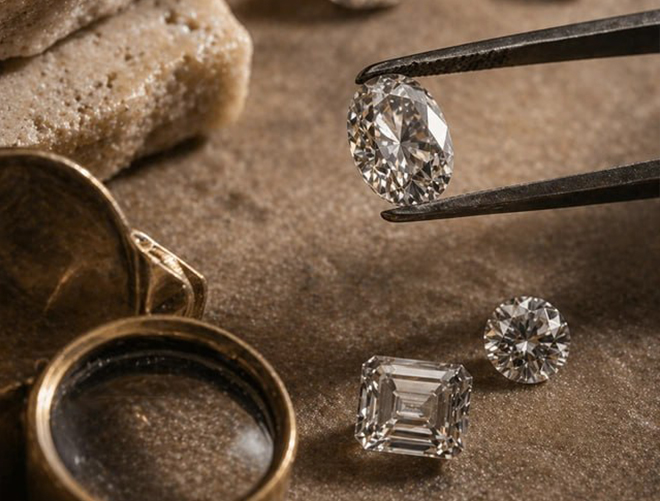
One of the main drivers of the final retail price of a product is the materials themselves. Whether working with silver, steel, cotton, or wool, every product begins with raw inputs that must be sourced and processed before they take shape. Many conventionally made products contain finite materials that are often extracted and processed at scale, usually in low-cost manufacturing regions like Southeast Asia. These processes are designed for speed, volume, and efficiency, which helps keep prices low, but unfortunately, a lot of the time, they also carry higher environmental and social costs.
Alternatively, lower-impact materials tend to be sourced differently. Materials such as recycled silver, organic cotton, or responsibly sourced wool carry a smaller environmental footprint, but are processed on a much smaller scale, with additional steps involved. Organic cotton, for example, is grown without synthetic pesticides or fertilisers, supporting soil health and water quality, but generally produces lower yields and requires more attentive crop management. Recycled metals must be recovered from existing sources, then sorted, cleaned, melted, and refined before they can be reworked into new components. As such, it’s understandable that these materials have a higher cost from the outset compared to their traditional counterparts.
The manner in which these materials are then transformed into the finished retail product we purchase in stores is also different. Mass-market accessories are usually produced in industrial factories, again in lower-cost production hubs, mechanically using systems designed for consistency, speed, and large volumes. Product components are assembled through streamlined processes designed to maximise output and reduce time to market, often leading to a short product lifespan. Independent accessory designers tend to take a more deliberate approach to making their designs. Production is at a slower, more controlled pace, often involving skilled craftsmanship and hands-on techniques that should not be rushed. Close attention is paid to the overall construction of the final product, which tends to result in pieces that are more durable, well-made, and intended for long-term use rather than short-term consumption.
Labour & production scale
Labour practices also play a key role in influencing the price and perceived value of the final product. For example, independent accessory designers prioritise fair wages, safe working conditions, and experienced craftsmanship. Many spend time cultivating and maintaining closer relationships with their producers while leveraging greater visibility across their supply chains. Conventional accessory brands, on the other hand, operate a little differently. Working on a larger scale, supply chains are global and fragmented, structured around cost efficiency and high output. Within these production processes, labour is frequently viewed and managed as a cost variable, with ongoing pressure to reduce expenses from stakeholders. Fair pay, specialised skills, and responsible working environments require continuous investment, which increases production costs and is reflected in the final price of the product.

Production scale reinforces this difference. Independent accessory designers typically work by producing small batches or on a made-to-order basis, allowing for better control over quality and oversight of working conditions. Lower volumes, however, always result in higher costs per unit. Mass-market brands leverage large-scale production to reduce these costs, as higher volumes, outsourced manufacturing, and optimised processes make lower price points possible, but often at the expense of transparency and, in some cases, labour conditions.
In the end, trying to compete on price within this system is neither realistic nor aligned with the values of independent accessory designers. When looking back at that €70 necklace now, the final price reflects a piece that is designed to last, both in construction, relevance, and quality. Telling a story of how and why it is made, the price shows its true cost, not about what you buy, but what goes into it, and what it is designed to offer over time.
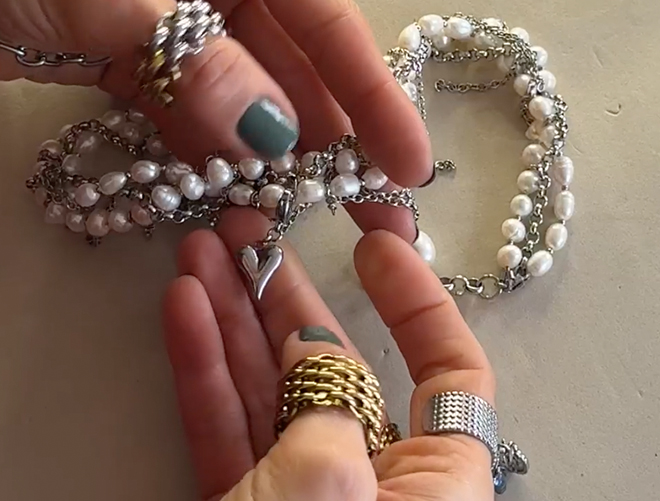
What this actually looks like in practice
For a consciously designed silver necklace priced at €70, the breakdown might look something like:
- Materials (recycled or responsibly sourced silver): €18
- Labour (fair wages, skilled production): €15
- Sampling & small-scale production: €8
- Logistics & packaging: €6
- Overheads (studio, tools, marketing): €10
- Retail margin: €13
- Total of €70
Retail markups tend to range from between 50% to 100% to sustain a business. For independent accessory designers, costs are distributed differently due to smaller production runs, higher labour investment, and lower economies of scale.