



From trends to meaning: how handmade accessories became a form of self-expression
22. Apr 2026
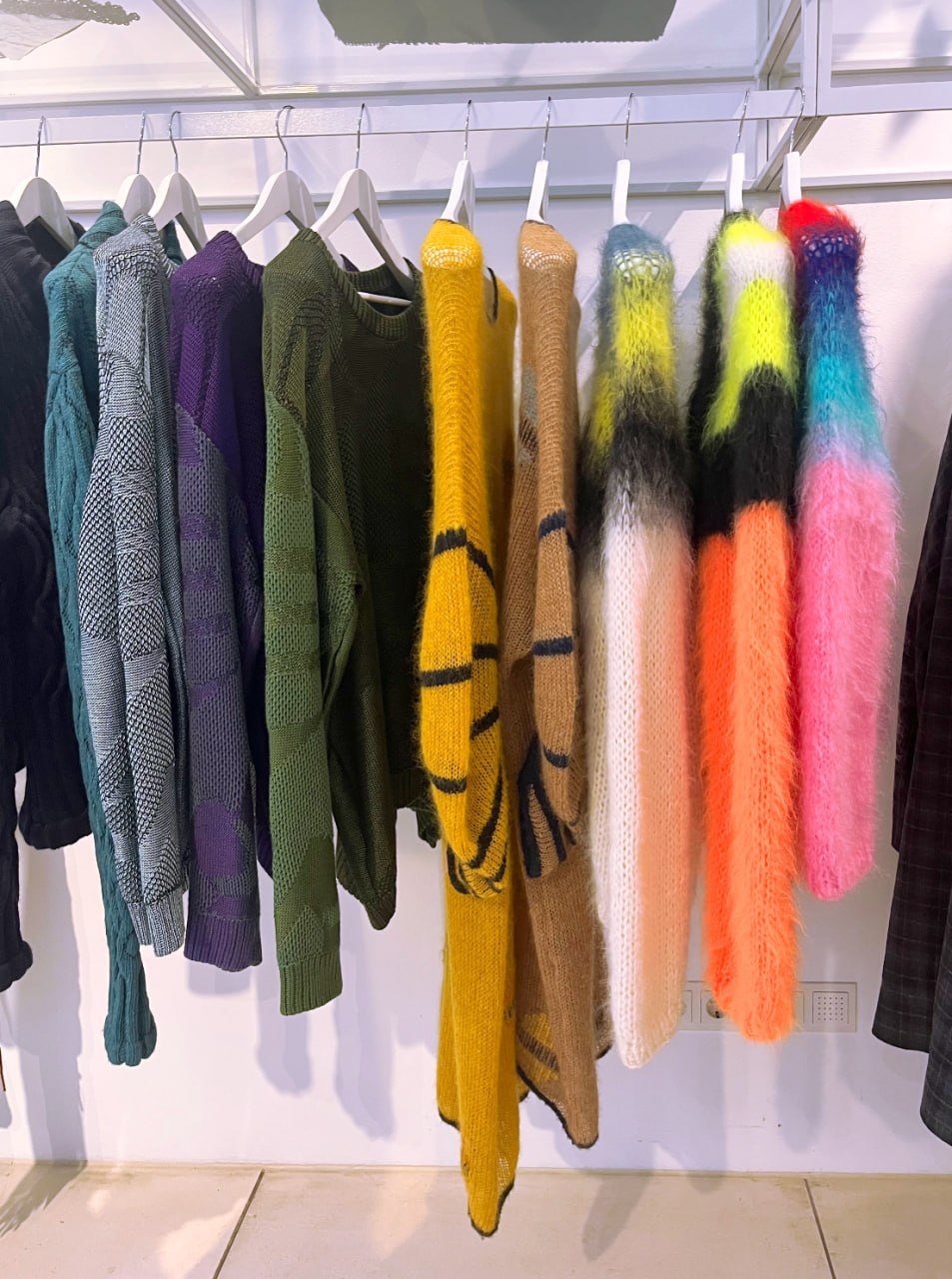
When putting an outfit together, most of us agree that no look is complete without the right accessories. From jewelry and scarves to hats, belts, and sunglasses, accessories have become powerful tools for self-expression and identity. Today, consumers worldwide view accessories as a key part of who they are and what they stand for, leading to a shift in demand from mass-produced items towards unique, handmade, independent designs. Understanding the modern accessory consumer and their preferences reveals a fundamental change in how people relate to the items they choose to wear and why.
The market shift: Why handmade matters now
The numbers paint a compelling picture. According to Precedence Research’s Global Handicraft Market Report (2024-2032), the global handicraft market reached $1.1 trillion in 2024 and is projected to nearly double to $2.39 trillion by 2032. Within this growth, demand for accessories is leading the way. In fact, Etsy’s 2023 State of Handmade Shopping Report found that 51% of handmade shoppers have purchased handcrafted fashion accessories, making it the top category in the artisanal marketplace.
Consumer awareness concerning how items are made and interest in sustainability are two of the main drivers behind this surge. The 2025 Sustainable Materials in Fashion Accessories Report found that demand for eco-friendly materials led to 40% year-over-year growth, cementing the notion that consumers are choosing items that closely reflect their personal values.
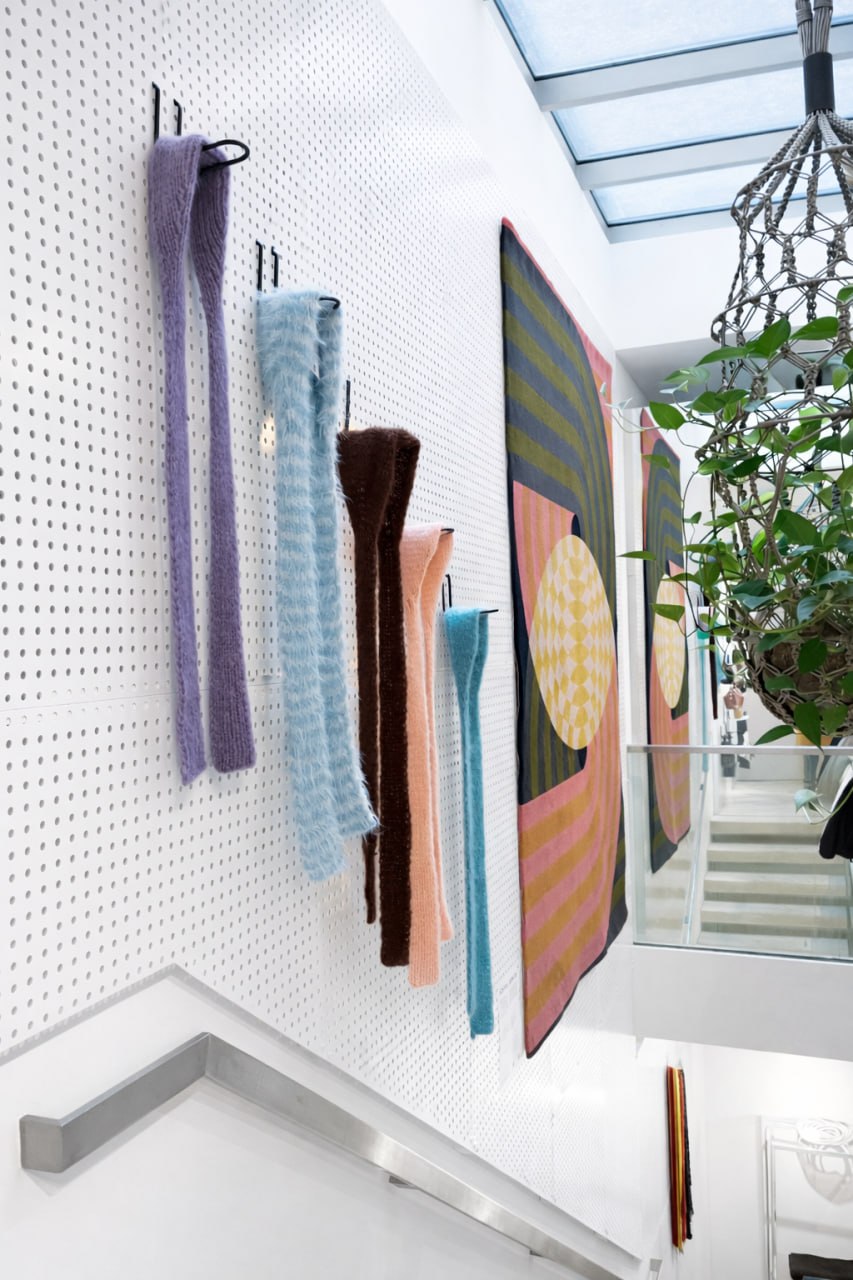
Unsurprisingly, this shift is being primarily led by Millennials and Gen Z consumers, the most environmentally conscious generations to date. Research from global intelligence firm Morning Consult on Gen Z’s Relationship with Consumption and Self-Expression (2024) found that, for Gen Z in particular, purchasing habits and consumption have become a means of self-expression and identity manifestation. In turn, many Gen Zs and Millennials are gravitating towards more individual, handmade accessories to curate a visual language that communicates who they are.
The indie, handmade accessory consumer & what they value
Authenticity & story
Most indie accessory consumers want unique pieces with a story. When they purchase handmade products, they’re buying into the narrative behind the piece, building a connection with the artisan. A desire for designs with cultural and personal significance is changing the overall shopping experience from a transactional event to an emotional connection, a more meaningful relationship.
Quality over quantity
According to the Consumer Edge 2024 Apparel, Accessories, and Footwear Trends Report, younger generations are choosing to invest in well-made, timeless pieces instead of mass-market accessories that break after a few wears. Signalling a return to the “buy less, buy better” slow-fashion mentality, this encourages investment in items that justify their price through durability and craftsmanship.
Individuality
Handmade accessories, produced in limited batches or custom-made to order, create a sense of rarity that younger consumers crave. Unlike mass-produced goods, handmade products exhibit natural variations, with no two pieces being identical, allowing wearers to express their individuality in an increasingly homogenized marketplace.
Sustainability & ethics
According to the Fair Trade Federation’s 2024 research, ethical consumerism is at an all-time high. What’s more, the 2024 Crochet Fashion Trends & Consumer Motivation Studies found that over 60% of consumers cite sustainability as a key motivator in accessory purchases, rejecting the environmental and human costs of fast fashion production, making it a core value.
The future of conscious consumption & indie accessories
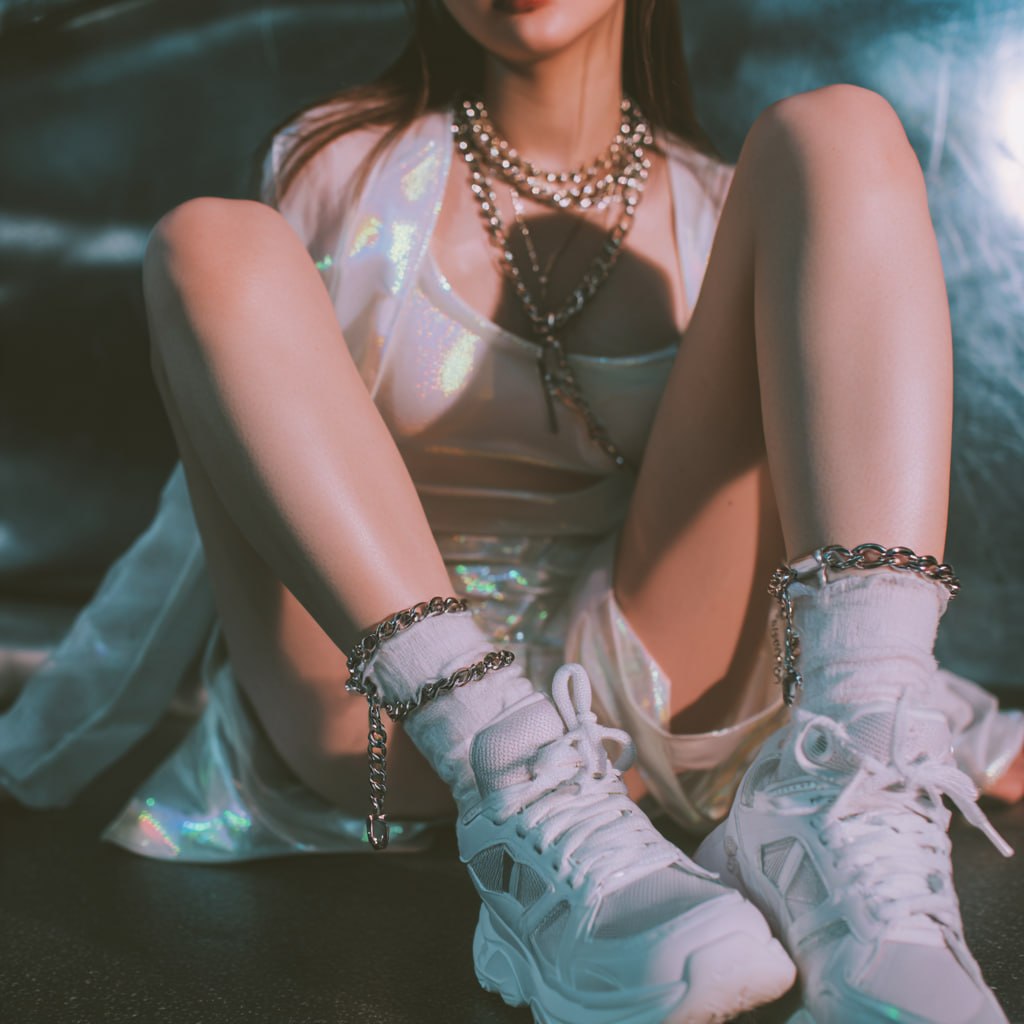
The rise of artisanal accessories underlines a key transformation in how consumers value and interact with material goods. Online marketplaces like La Ol’Markt aim to bridge the gap between independent designers and conscious consumers, providing a platform where traditional craftsmanship, storytelling, and sustainability can come together. For designers, this means positioning your accessories as part of a lifestyle rather than just a product. For consumers, every handcrafted piece you choose supports a maker, honors a story, and contributes to a more intentional way of living.