




How to Choose the Perfect Bracelet for Your Wrist Type
05. Nov 2025
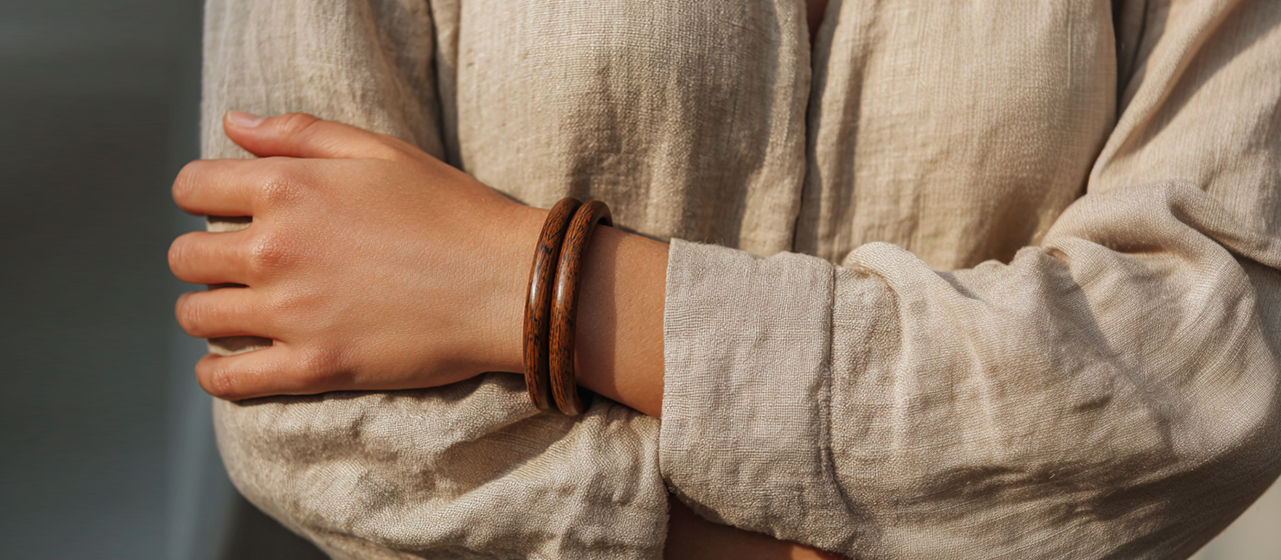
Measure your wrist precisely
Accurate sizing anchors every decision. Wrap a soft tape just above the wrist bone, without compressing the skin, and note the circumference in millimeters. Add ease according to style: 10–15 mm for a close fit, 15–20 mm for relaxed drape, 20–25 mm for a loose chain or charm style. A wrist measuring 160 mm will usually wear a 175–185 mm chain comfortably. This shows that measurement converts taste into reliable proportions.
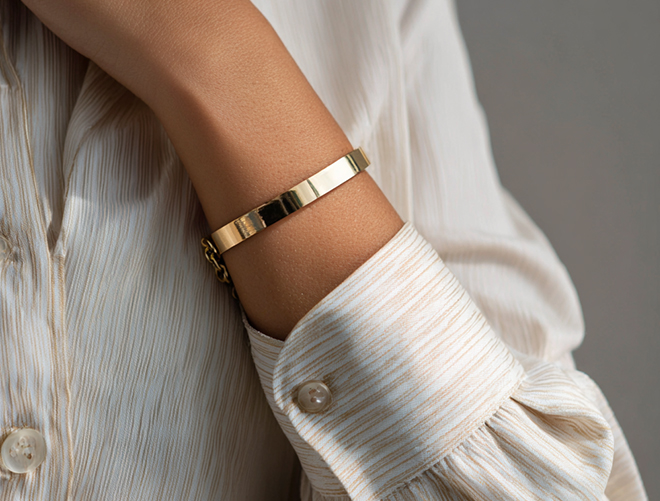
Choose the right fit profile
Fit changes both look and comfort. A bangle works when the inner diameter passes over the hand yet rests without spinning at the wrist; many find 60–65 mm internal diameter ideal for a 160–170 mm wrist with average hand width. A link bracelet benefits from a slight drop – enough to move, not enough to flip. A cuff should leave a 20–30 mm gap that slides over the thinnest part of the wrist and hugs gently once positioned.
Match bracelet type to wrist shape
Structure matters. Straight, fine wrists gain presence from softly rounded forms such as a 2.5–3.0 mm oval bangle in 14-karat yellow gold. Broad, athletic wrists support flatter profiles: a 4–6 mm curb or paperclip link in 925 sterling silver sits stable and reads modern. Tapered wrists look balanced with cuffs that narrow at the opening, which keeps weight near the center. This shows that geometry can refine natural lines without overpowering them.
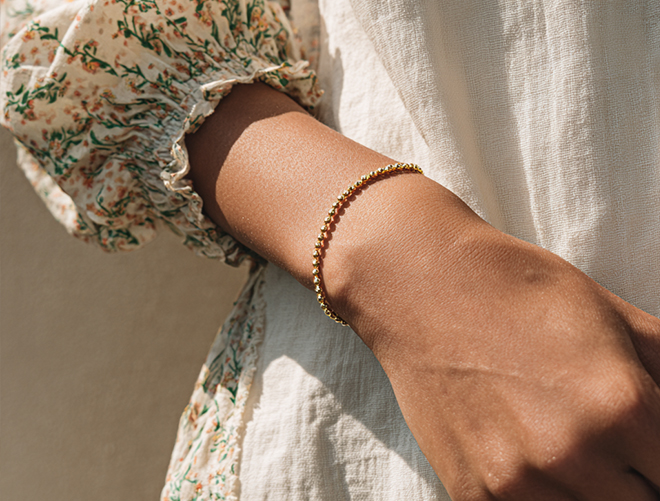
Scale, gauge, and proportions
Gauge determines visual weight. Delicate frames read clearly with a 1.2–1.5 mm cable or a 2 mm slim bangle, while substantial frames welcome a 3–4 mm round bangle or a 5–7 mm curb chain. Charm styles stay elegant when individual charms measure 6–10 mm rather than large pendants that rotate unpredictably. Stacking three pieces works best when thickness steps up in small increments, creating rhythm rather than competition.
Metals, finishes, and comfort
Alloys behave differently on the wrist. 14-karat gold balances color and hardness for daily wear; 18-karat gold offers richer hue with slightly softer structure. Platinum 950 resists abrasion and keeps a cool, understated sheen. 925 silver develops a graceful patina that suits casual wardrobes. High polish catches light quickly, satin finish reduces glare, and fine hammering adds subtle texture that hides micro-scratches over time. This shows that surface treatment fine-tunes character as precisely as design.
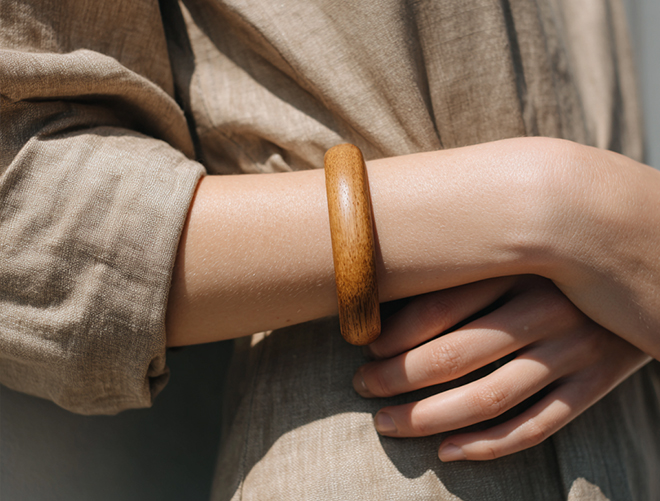
Clasp engineering and security
Closures influence longevity. A lobster clasp provides dependable security for chains up to 5 mm; larger, heavier pieces benefit from a box clasp with a safety figure-eight. A double-soldered jump ring reduces failure points at stress areas. Adjustable sliders on 0.8–1.0 mm chains allow precise fit over knitwear without replacing links. Active hands appreciate a comfort-fit interior on bracelets with rigid structure to reduce pressure during typing or lifting.
Consider movement and daily routine
Lifestyle shapes the right choice. If the wrist rests on a desk for hours, a low-profile chain sits better than a tall charm cluster. Gym sessions favor cuffs with rounded edges that do not catch gear. Evening wear accommodates higher polish and a single focal element such as a 10–12 mm gemstone station in 18-karat white gold. A piece that aligns with routine reads effortless rather than managed.
Guidelines for stacking with intention
Stacks succeed through contrast and repetition. Pair a 1.2 mm chain, a 2.0 mm bangle, and a 4 mm link for clear layering. Keep metals consistent or make a deliberate mix: two 14-karat yellow gold pieces with one platinum 950 accent near the watch for brightness. Echo one detail twice – matte finish repeated on the bangle and the clasp – to create a quiet thread. This shows that coherence comes from small, repeated choices.
Testing color against skin tone
Metal tone interacts with complexion. Warm undertones harmonize with 14-karat yellow or rose alloys; cool undertones gain clarity from platinum 950 or rhodium-plated 18-karat white gold; neutral undertones accommodate both when one metal leads. Evaluate in daylight against a neutral sleeve to avoid color shift from clothing. A practical test builds confidence before committing to a lifelong piece.
Care that preserves structure and shine
Clean bracelets gently and regularly. Wipe 14-karat gold, platinum, and 925 silver with a soft microfiber cloth after wear. Use mild soapy water for routine cleaning, rinse, and dry thoroughly. Avoid chemical detergents; keep pearls, opals, oiled emeralds, and fracture-filled stones away from ultrasonic machines. Store chains flat or in separate soft pouches to prevent abrasion and knotting, and check clasps and solder points annually.
A grounded insight
The perfect bracelet respects measurement, balances scale with wrist geometry, and aligns metal, finish, and closure with daily life. Precise sizing, thoughtful engineering, and proportionate design transform an accessory into a signature line on the hand. Jewelry chosen with this clarity becomes a steady expression of taste, comfort, and craft.